By Maria Falgoust and Amy Ribakove with contributions from Tali Balas and Abbey Gans Mather
Visiting other school libraries offers valuable insights and inspiration for school librarians at any stage of their career. It’s a practical way to observe different practices, space arrangements, and collection strategies. This experience not only sparks creativity but also provides reassurance that challenges faced are shared among peers. These visits also offer networking opportunities, strengthening professional communities.
One of the significant benefits of these visits is the opportunity for self-reflection. Librarians can critically assess their methods, consider new approaches, and reaffirm their values and priorities for their own library programs. Additionally, networking during these visits can be both fun and empowering. Librarians tend to want to share and support one another in everything from lessons to good book recommendations, FAMIS order tips, ideas on their favorite conferences and symposiums, classroom management and so much more. Getting to know our colleagues at peer schools only makes our HVLA community stronger.
Amy Ribakove: This December I had the opportunity to spend the afternoon at The Town School. Karen Grenke invited me to observe her teach two 1st grade classes. I also had time to explore the Town library. I left with many ideas to bring back to the International School of Brooklyn!
Here are a few of my key takeaways –
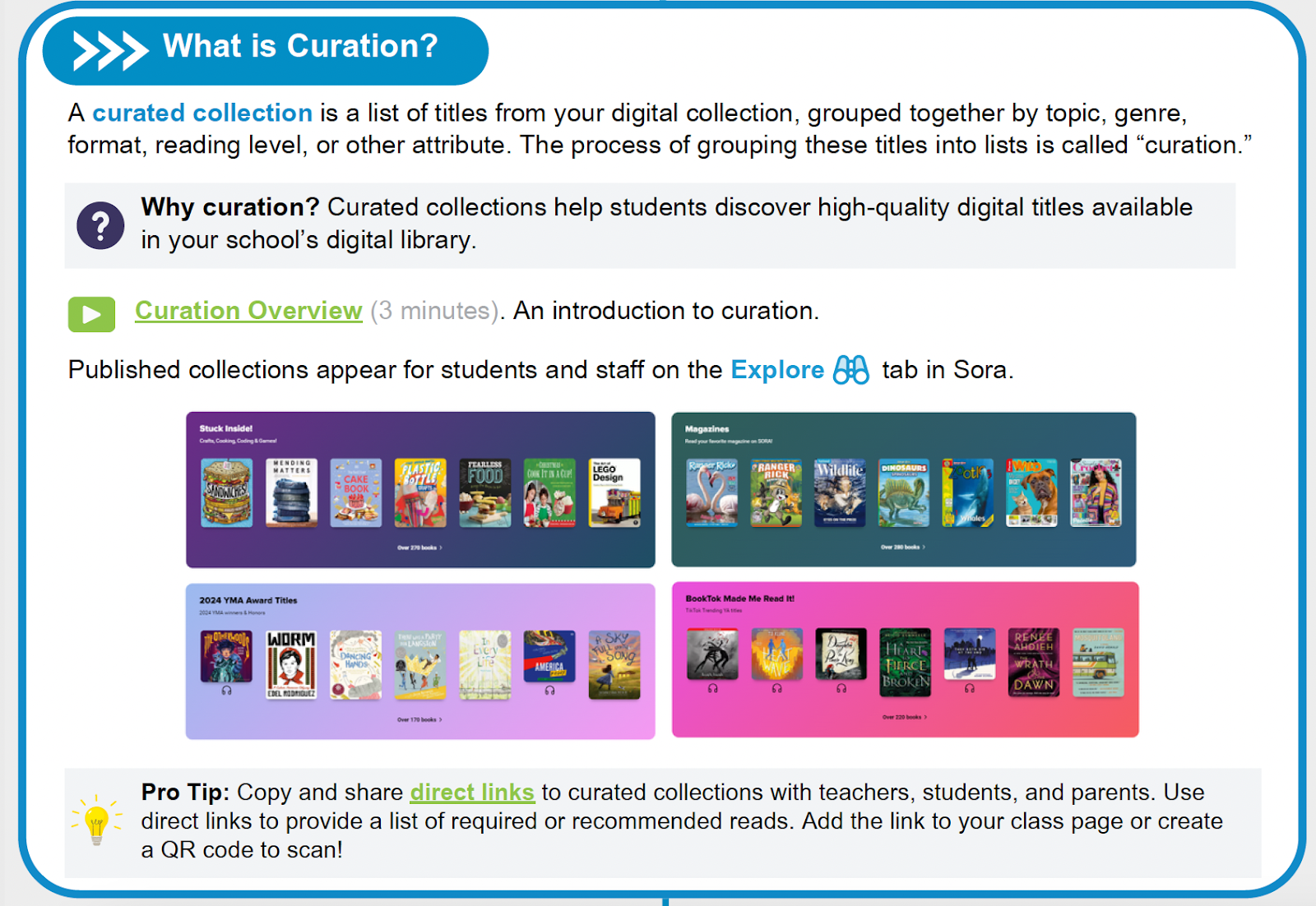
- Sora can be a great tool for teaching library classes! The platform’s accessibility and visual appeal allowed all students to actively engage with the book. It was the first time in a while I didn’t hear “I can’t see” during a storytime.
- Celebrate early reader books! Not only are they valuable tools for emerging readers, but they also make fun read-alouds! In her library lesson, Karen highlighted the Geisel Awards, which recognize excellence in early reader literature. This is a library lesson I definitely plan to use.
- Borrow display ideas! I was inspired by the Winter Holiday and Book Award displays at Town and was able to adapt them to our library.

Maria Falgoust: This school year, I visited solo librarian, Jennifer Gladowski at the Village Community School.
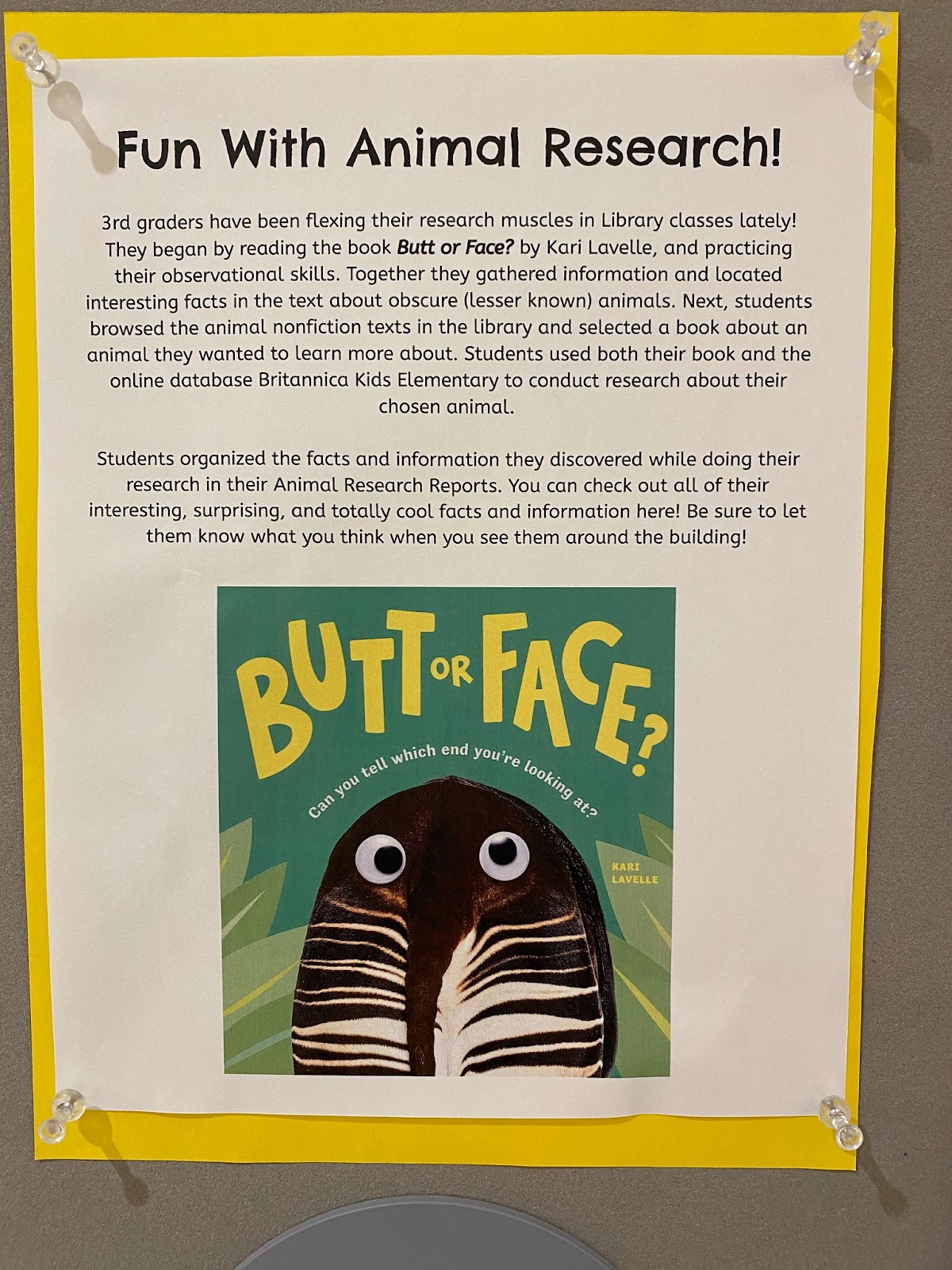
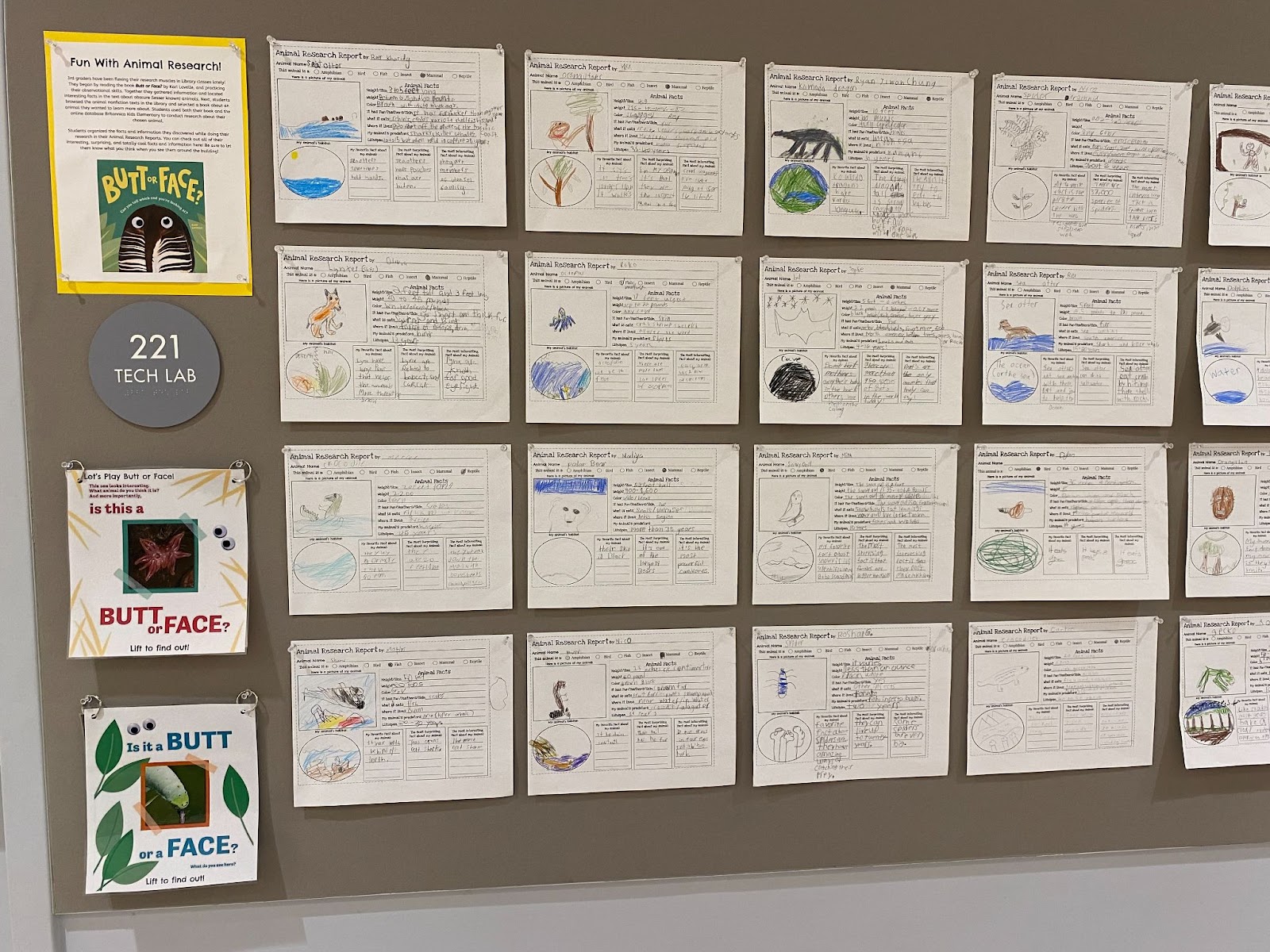
- Exploring the creative “Butt or Face” bulletin board display, which used the book written Kari Lavelle which cleverly integrated research work into a lesson.
- Observing Jenn’s expert teaching methods weaving various subjects, witnessing her seamless integration of science, math, research, and technology into her lessons.
- Noting the practicality of the split writing utensil caddies, which I promptly ordered for my library the following day. Their implementation significantly improved organization and eliminated the contention over a single bin of markers I’d been using previously.
- Partaking in a delicious lunch in their vibrant and well-managed cafeteria, where the atmosphere was joyful. Witnessing the smooth operation of their lunch program was both enlightening and inspiring.
Tali Balis: We were encouraged this year to use our PD days to visit other schools, and happily did! We visited the International School of Brooklyn this spring and getting out of our environment and seeing how Maria and Amy run their program was inspiring. We went with the intention of learning more about buying and incorporating translated books and books in Spanish and French, but came back with so much more.
- How they use the spaces in the library for different age groups and activities made me rearrange our library to try out clipboards and standing desks instead of tables with chairs.
- The sheer amount of programming Maria and Amy do is mind boggling! Not only do they do multiple events a month they have passive programming throughout the library to grab students and teachers attention. We plan to make flyers for each month highlighting titles available on Sora as a soft start.
- And of course we found new books, new publishers, and new ideas for classes: from having 4th graders read to PK to using Kamishibai stories.
Abbey Gans Mather: This year I have been the queen of library visits. I am starting a new K-12 library at a school for twice exceptional students, a population and grades (high school) I had never worked with before so I knew I needed to know what the experts knew.
- At Park East High School Abigail Holland talked me through how her space had started and changed as she grew the library and generously shared her research syllabus.
- At Berkeley Carroll, Anna Murphy, talked to me about how the program changed across grades, her experience of NoodleTools, and was deeply sympathetic to my mildly obsessive concerns about sticker choices.
- I got insight on how to balance fiction and nonfiction collections, and working with classroom teachers from Gili Warsett at Leman. (As well as the best view of any library in the city).
- Finally, Brittney Falesto of Q177, a District 75 school in Queens, told me about how she had used a grant to redesign the library space to fit her student’s needs, let me sit in on classes, and discussed how she individualized her program and met the student’s where they are.
Each librarian was extraordinarily generous with their time, sharing their hard work and insights and I worry I am underselling the value of each of these conversations. It has helped me build a community despite being a solo librarian and just shook the cobwebs out of my mind.
Practical Tips:
- Prioritize library visits and ensure you schedule at least one a year (because it is time well spent)
- Decide if you want to see a library similar to yours (in terms of pedagogy, school size, mission statement, etc.) or something different
- Either reach out directly to the librarian or post an open call on the HVLA list-serv.
- Be sure to bring a notebook to take notes and take photos
- Always write a thank you email or card
Overall, visiting other school libraries is a practical and enriching experience that fosters professional growth and community building. Librarians are inherently curious and eager to learn, and exploring different libraries offers a simple yet effective way to stay inspired and motivated in our dynamic field. We encourage all school librarians to consider taking advantage of this opportunity to enhance their practice and expand their professional network.
BIOS
Maria Falgoust and Amy Ribakove are Librarians at International School of Brooklyn. Tali Balis is a Librarian at Convent of the Sacred Heart. Abbey Gans Mather is a Librarian at Quad Preparatory School.
This is part 1 of our series on exploring school libraries. If you would like to share your experiences visiting school libraries, please comment below. Or email achow@brearley.org to submit your blog post for publication. Thank you!